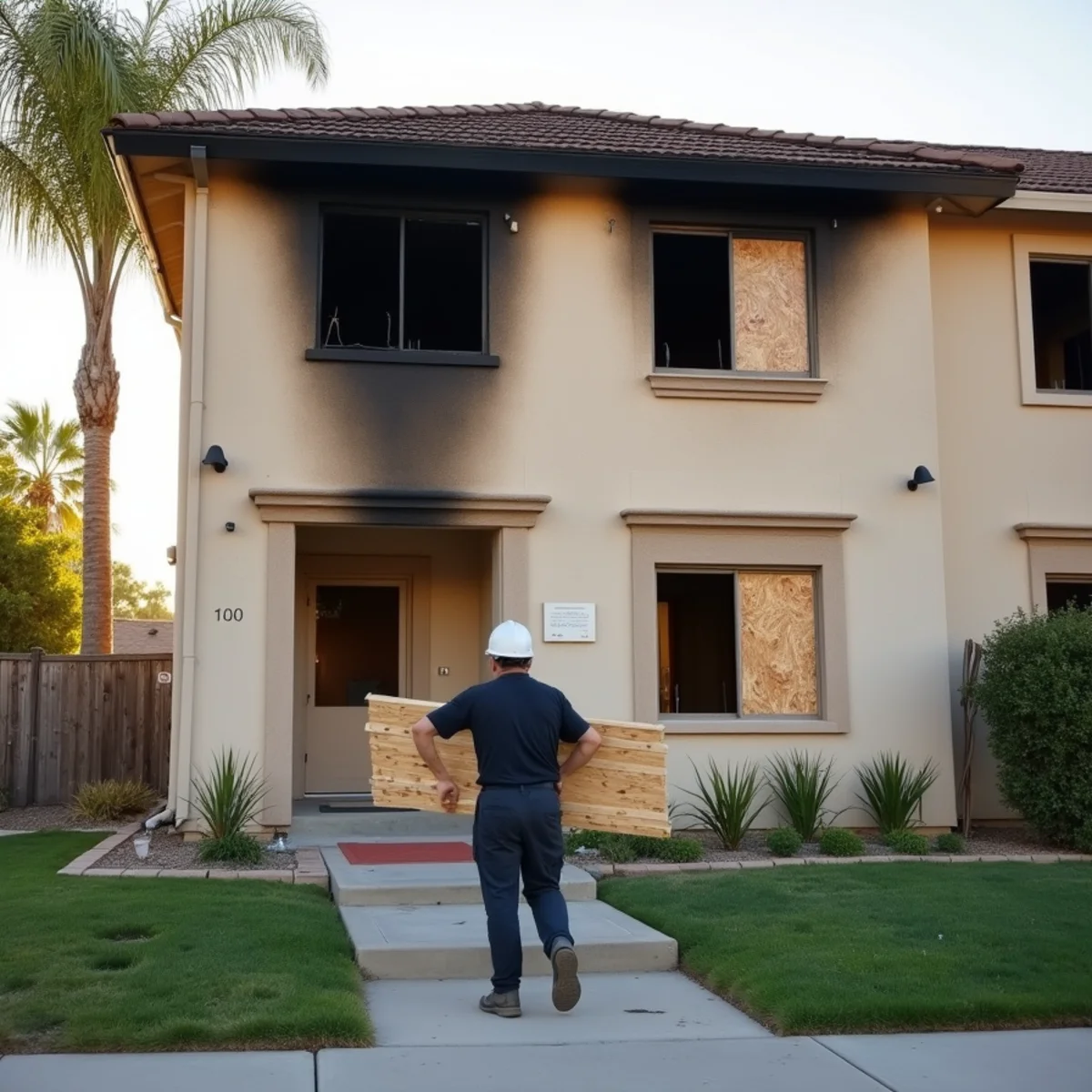
Smoke smell outlasts every other part of a fire. The soot is off the walls, and the house still smells like a campfire each time you open the door. That is common in Buena Park, where 1960s ranch homes have open attics and ducts that carry smoke into every room, even from a small kitchen or garage fire.
Buena Park Fire & Water Damage Pros connects you with independent, insured crews who remove smoke odor at the source. Call (831) 303-1192 any time and get a scope and price in writing before work starts.
Reviewed by the Buena Park Fire & Water Damage Pros team · Updated · Process references: ANSI/IICRC S700 practices, South Coast AQMD Rule 1403, CSLB contractor rules
The short answer
Smoke odor removal starts with removing what holds the smell: cleaning surfaces, pulling out saturated insulation and carpet pad, and cleaning the ducts. Exposed framing is sealed with an odor-blocking primer, then hydroxyl, thermal fogging or ozone treatment neutralizes what remains. Fragrance sprays and fresh paint alone do not remove smoke odor.
Why smoke smell lingers: residue in drywall, insulation, ducts and fabrics
Smoke is fine particles plus gases. The particles settle as residue, the gases soak into anything porous, and weeks later that residue is still releasing odor back into the air.
- Drywall and ceilings. Flat paint and drywall paper absorb smoke, and ceilings take the most.
- Attic insulation. Fiberglass and cellulose trap smoke that rises through ceiling gaps and recessed lights.
- Ducts. An HVAC system that ran during the fire coats its ductwork and blows the odor back out every cycle.
- Fabrics. Carpet, pad, upholstery, mattresses and clothing hold odor deep in the fibers.
- Framing. Charred studs and rafters carry a strong, persistent smell.
The fuel matters too. Burned meat or grease leaves a near-invisible protein film with an intense odor, and burned plastics leave a smeary residue that smells chemical. See soot removal for how each residue comes off by surface.
Signs you need professional smoke odor removal
Your nose adjusts to a smell within minutes, so the clearest signs are the ones that show up when conditions change:
- It is strongest when you walk in after the house has been closed up, or on a warm afternoon when the attic heats up.
- It surges when the air conditioning or heat starts, which points to residue in the ducts, the air handler or the attic around them.
- Clothes, towels and bedding smell after washing, because closets and drawers are still releasing odor into them.
- A cleaning company already came and went, and the smell returned within days. Surface cleaning without source removal or sealing rarely holds.
- Buyers, inspectors or new tenants mention it, often in a unit where someone smoked indoors for years.
- A week after an ash day the smell is still there, even with a new HVAC filter and the windows opened.
What smoke odor removal includes
Equipment is the last part of the job, not the first. A complete odor scope lists each of these, with a note on anything excluded:
- An odor source survey of every room, closet, the attic, the garage, the ducts and stored belongings, done with the house closed up.
- Removal of what cannot be cleaned, such as smoke-saturated insulation, carpet pad or charred drywall, as the scope specifies.
- Cleaning of hard surfaces to take off the residue that keeps feeding the smell.
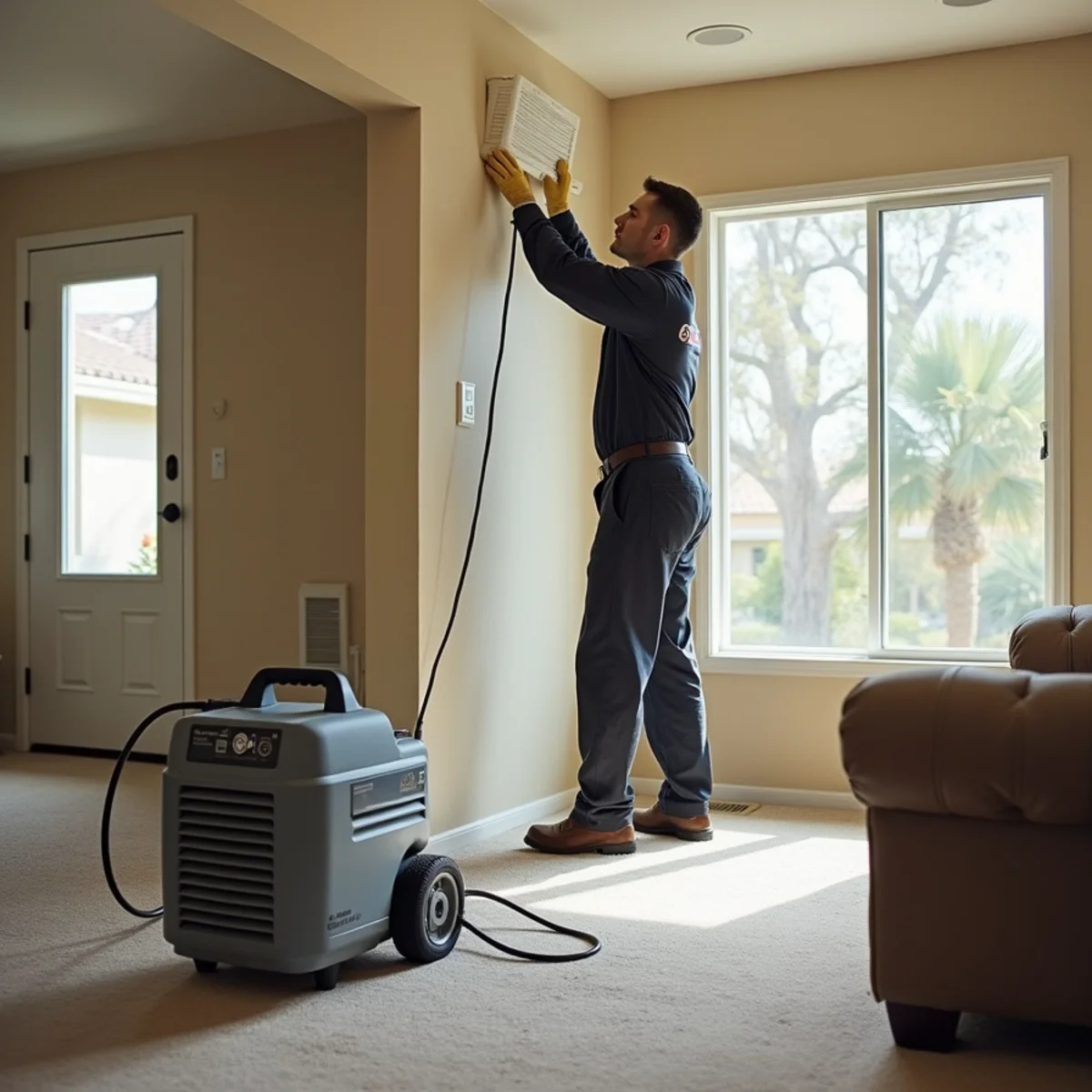
- HVAC work: filter replacement and duct and air handler cleaning, or replacement of flexible duct that holds odor.
- Sealing of framing, sheathing and stained drywall with a shellac or oil-based odor-blocking primer.
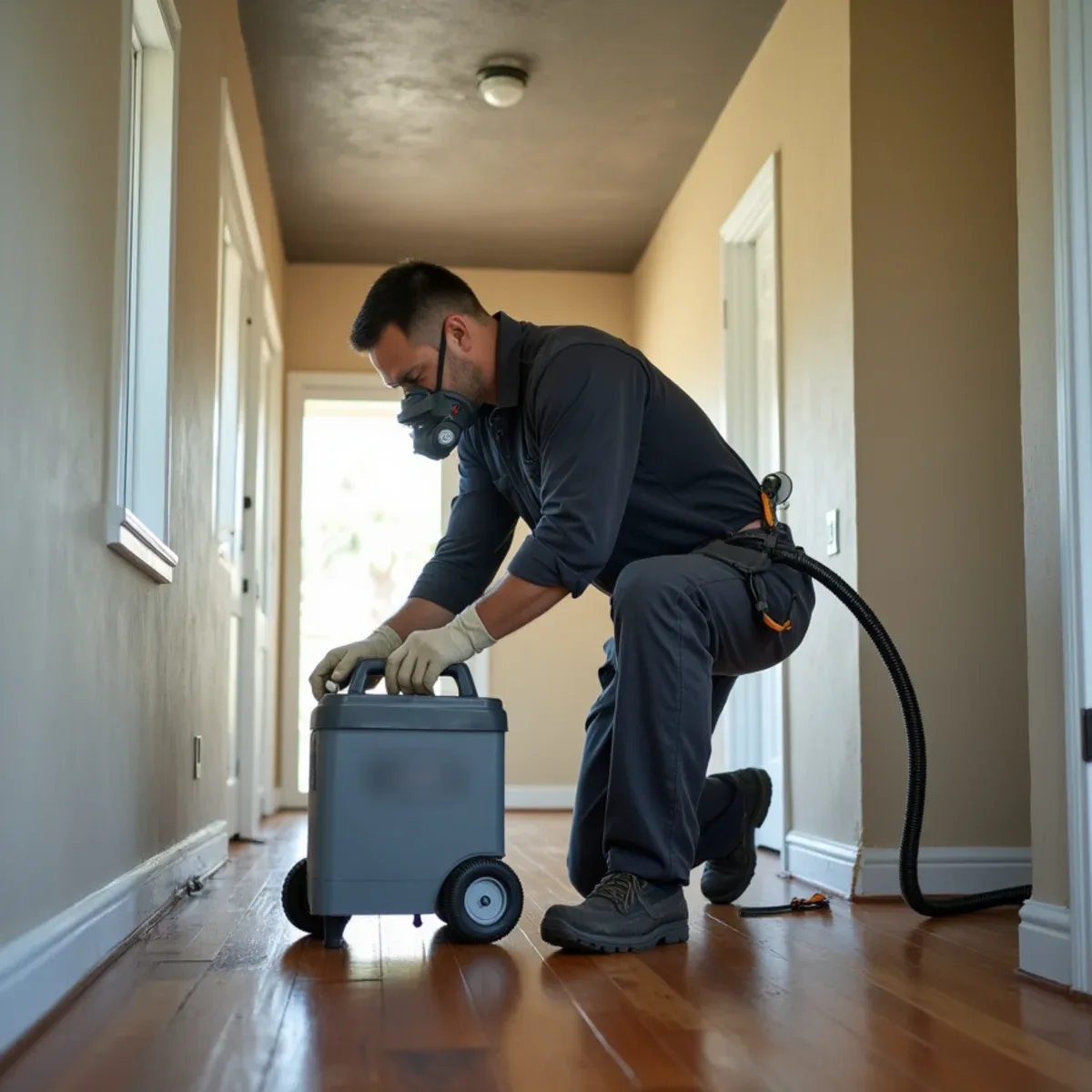
- Deodorization by hydroxyl, thermal fogging or ozone, with the method, the number of days and whether you must be out of the house written down.
- HEPA and carbon air scrubbers running during the work to capture particles and some airborne odor.
- A final odor check, plus a written note on what happens if the smell returns.
Step one is always removal: cleaning or tearing out what holds the odor
No machine can deodorize a house while the source is still in it. Equipment treats odor already in the air, and soot on a ceiling keeps releasing more. A crew that runs an ozone machine on day one is skipping steps.
Hard surfaces are dry-sponged, then washed with alkaline cleaners or degreasers. Soft belongings go out for contents cleaning and pack-out. What usually comes out of the house:
- Sooty or smoke-saturated attic insulation
- Carpet pad, and often the carpet, in heavily smoked rooms
- Charred drywall, and drywall soaked by firefighting water
Our smoke odor removal process, step by step
Each step makes the next one work. Skip one and the house smells fine for a week, then the odor comes back:
- Find every source. The crew closes the house, then walks it with you, checking rooms, closets, the attic, the garage and the first minutes of an HVAC cycle.
- Scope and schedule. You get the method, the timeline and any nights you need to stay elsewhere in writing before work starts.
- Take out the sources. Saturated insulation, pad and other materials on the removal list come out, after any asbestos survey older homes require.
- Clean what stays. Walls, ceilings, cabinets, hard floors, the ducts and the air handler are cleaned of residue.
- Seal. Odor-blocking primer goes on framing, roof sheathing and any drywall that still holds a stain or smell.
- Deodorize. Hydroxyl runs for days in an occupied home; fogging or ozone runs in an empty one, with pilot lights off and everyone out as required.
- Air out and check. Fresh filters go in, the house is ventilated, and the closed-house odor check is repeated before the job is signed off.
Ozone, hydroxyl and thermal fogging: what each does and when it is used
After source removal, deodorization treats the odor left in the structure. Each method has trade-offs a crew should explain first.
| Method | How it works | Can people stay? | Trade-offs |
|---|---|---|---|
| Hydroxyl generator | UV lamps form hydroxyl radicals that break down odor molecules | Yes | Slow; often runs several days |
| Thermal fogging | Heated deodorant fog follows smoke paths into cracks and cavities | No, until the fog clears | Pilot lights and ignition sources off first |
| Ozone | A strong oxidizer that reacts with odor compounds | No people, pets or plants | Can degrade rubber and some fabrics; air out before reentry |
| Air scrubber with carbon filter | HEPA and carbon capture particles and some airborne odor | Yes | Support only; does not treat surfaces |
Hydroxyl suits occupied homes and rooms with electronics or artwork. Fogging reaches wall cavities in a closed-up house after cleaning. Ozone works fast in an empty structure and runs for a limited time with nobody inside.
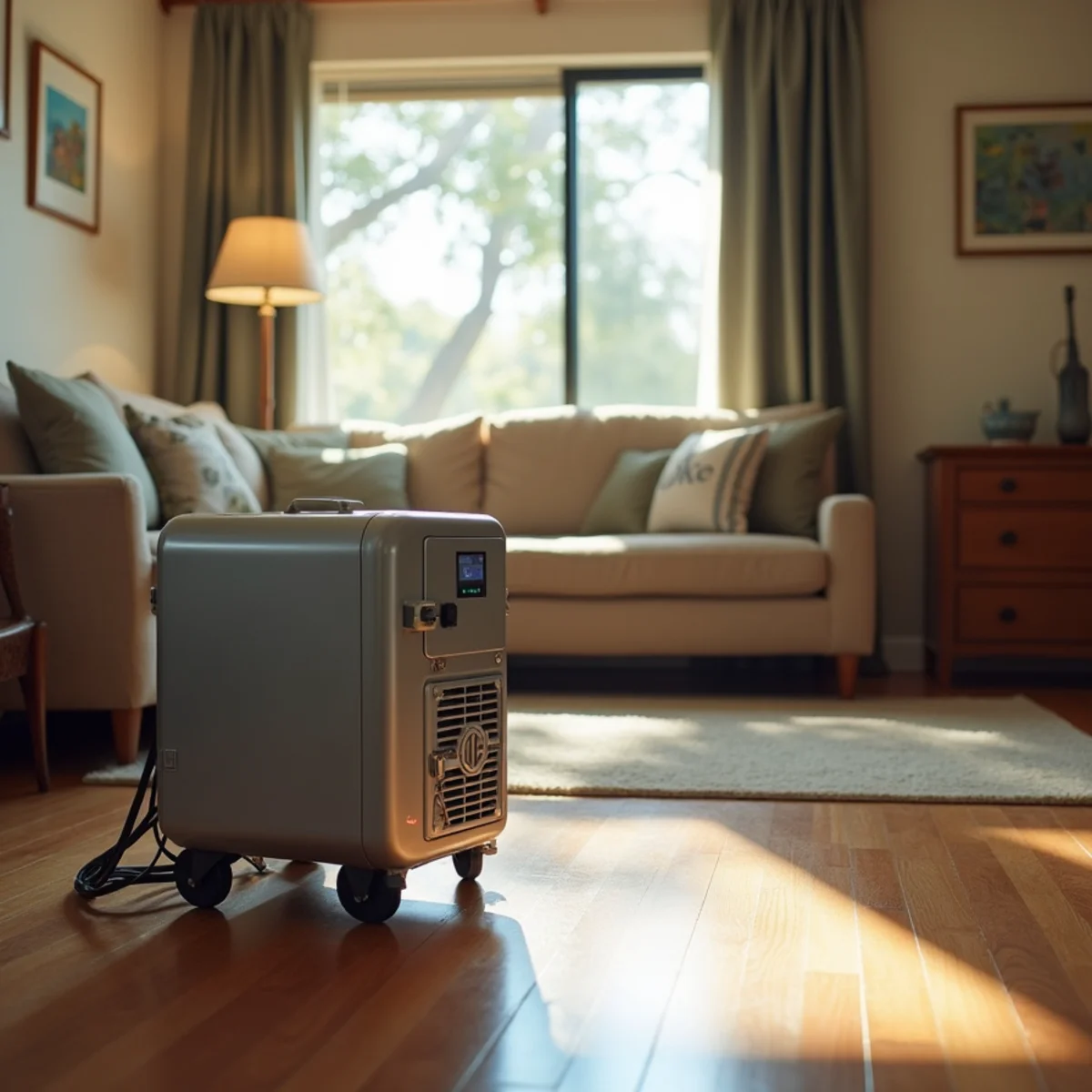
To check the result, close the house for several hours on a warm afternoon, then walk in. If the odor is back, something still holds it.
The final odor check, and what happens if the smell returns
The job is not finished the day the equipment leaves. A careful final check adds a few things to that closed-house test:
- A fresh nose. Someone who has not spent the day inside walks every room, closet and cabinet, plus the garage. The crew's noses have adjusted to the smell by then.
- A new filter, then the HVAC. The filter that ran during cleaning and deodorizing holds residue, so it is swapped before the system runs full cycles and each register is checked.
- Enclosed spaces opened. Closet doors, the attic hatch and cabinet doors are opened after hours shut, since trapped air shows a leftover source fastest.
If the smell comes back, the fix is finding what still holds it, usually a missed wall cavity, a duct run or a piece of furniture, and cleaning or removing that. Another round of fogging over a source nobody found only buys a few quiet days.
Sealing: odor-blocking primers on framing and drywall
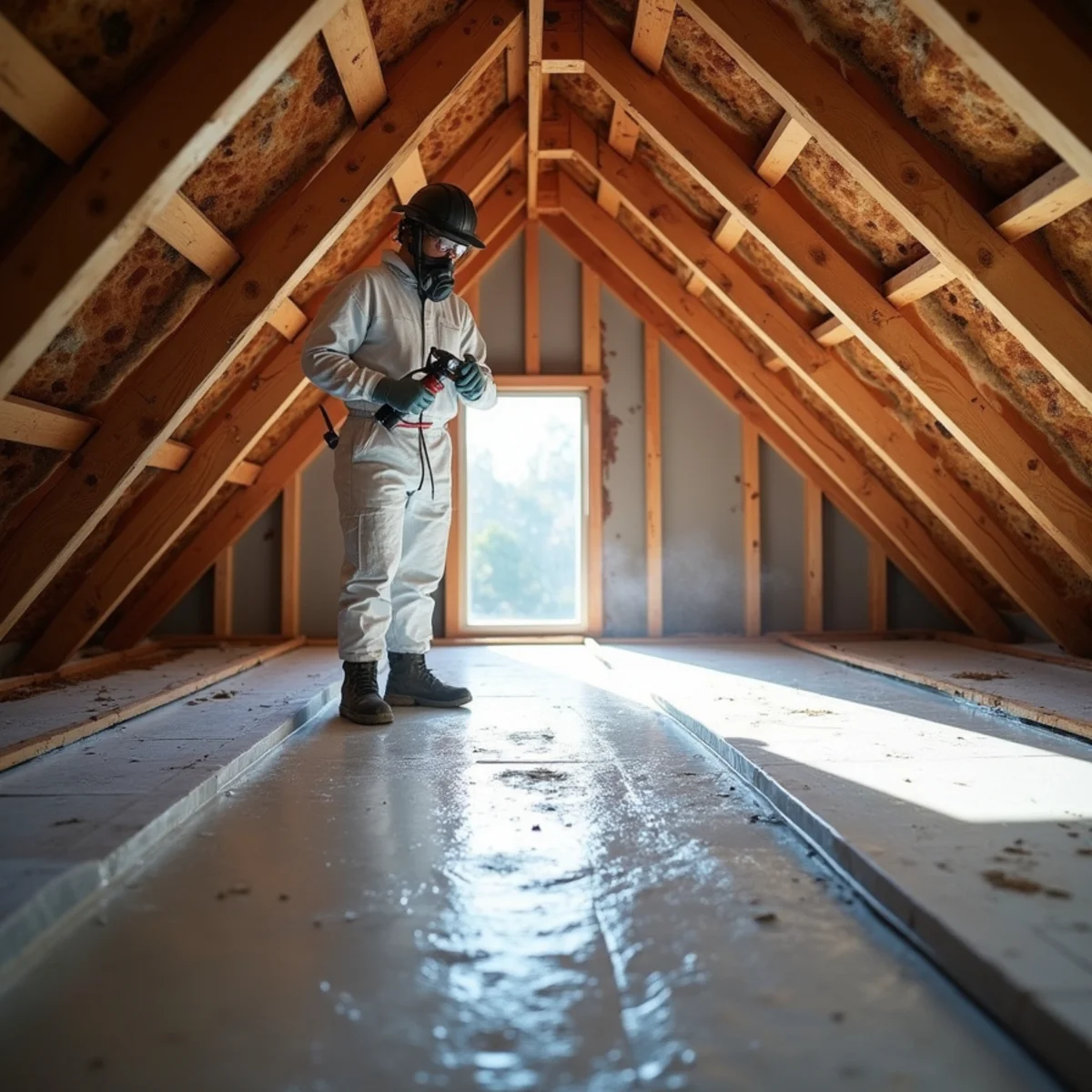
Framing near the fire and the underside of roof sheathing often keep a trace of smoke after cleaning. Sealing locks that trace in so it cannot release into the house.
Crews use shellac-based or oil-based odor-blocking primers; standard latex primer lets stains and odor bleed through. Charred framing is cleaned or blasted back to sound wood before sealing, and walls are cleaned before priming. Painting over soot traps the smell instead of ending it.
Ducts, attic insulation and other hidden odor sources
When a house still smells after cleaning, the source is usually somewhere nobody looked:
- Ducts and the air handler. Clean them and replace the filter before final deodorizing, or the system spreads the smell again.
- The attic. Over a single-story ranch house, one open attic lets garage or kitchen smoke reach the whole roof space.
- Wall cavities. Smoke enters through outlets and pipe gaps; thermal fogging reaches them without opening walls.
- Closets, cabinets and the attached garage. Enclosed spaces trap smoke, and stored items hold it.
For how smoke affects the building beyond the smell, see smoke damage cleanup in Buena Park.
Cigarette and cannabis smoke odor in rentals and homes for sale
Not every odor job follows a fire. In Buena Park 45.6% of households rent, and landlords call when a unit turns over after years of indoor smoking. Sellers call before listing.
Tobacco and cannabis smoke leave a sticky, yellowish film on walls, ceilings, cabinets and inside the HVAC system. The fix:
- Wash every surface with a degreasing cleaner until the film is gone
- Remove carpet and pad, which rarely come clean
- Clean the ducts and replace the filter
- Seal with odor-blocking primer, then paint
- Finish with ozone or hydroxyl while the unit is empty
Painting alone fails: the film bleeds through as yellow stains and the smell returns on the first warm day.
Wildfire smoke odor after regional fires
Buena Park has no wildland edge, but Santa Ana winds carry smoke across north Orange County from canyon fires, as with Canyon Fire 2 (2017), the Blue Ridge and Silverado fires (2020) and the Airport Fire (2024). Smoke enters through attic vents, windows and door gaps.
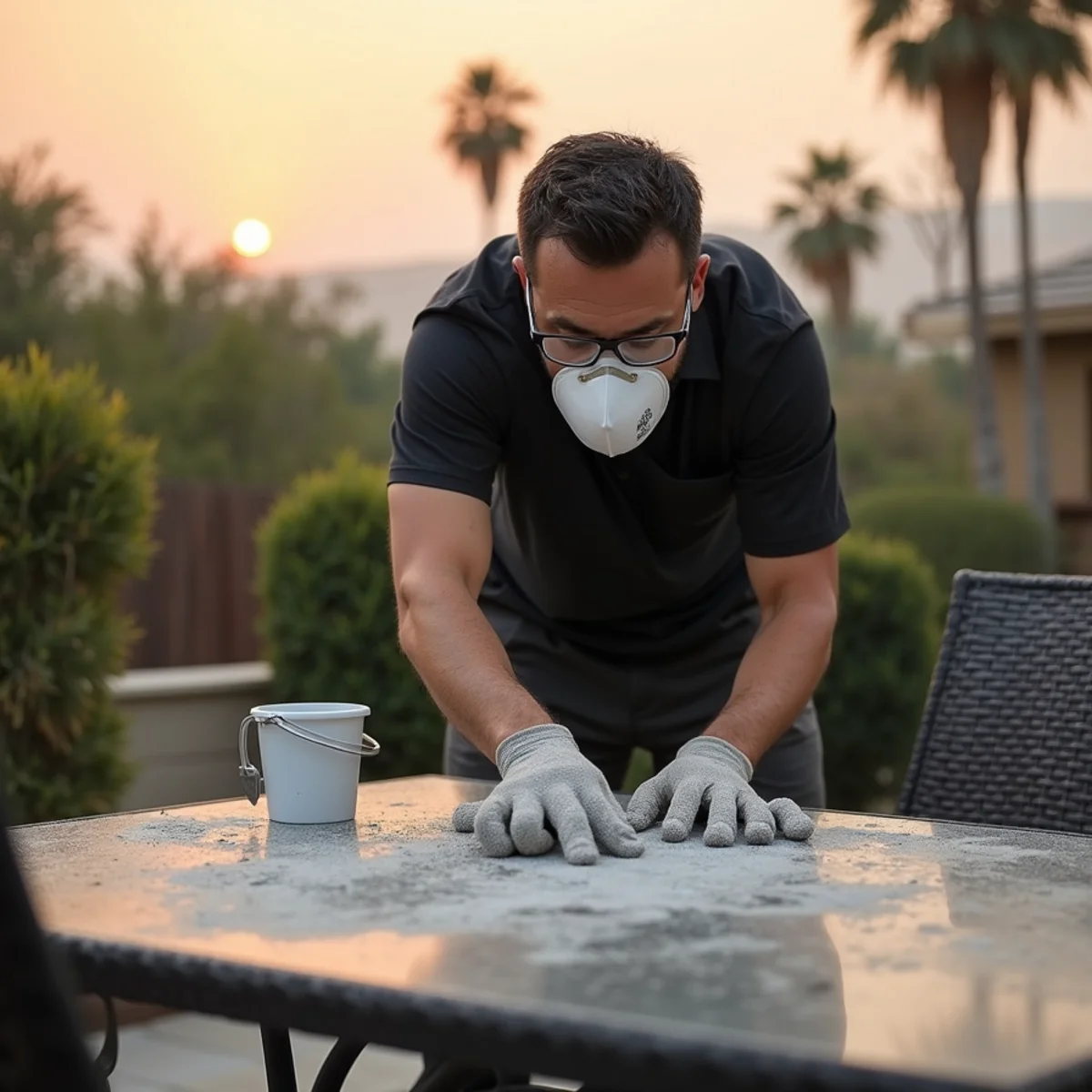
The odor is usually lighter than after a house fire and settles in insulation, fabrics and ducts. Clean up any ash first; a new filter, HEPA vacuuming, laundering and a few days of hydroxyl treatment then often solve it. See wildfire smoke and ash in north Orange County.
What affects the cost of smoke odor removal
Odor removal is priced from a scope, not a flat rate. The main factors:
- Spread. One room, or the whole house with the attic and garage
- Removal. Insulation, carpet, drywall and contents that cannot be cleaned
- Ducts and sealing. Duct cleaning or replacement, and how much area needs primer
- Method and time. Days of hydroxyl in an occupied home versus a short ozone run in an empty one
- Smoke type. Protein, plastic and tobacco residue need more cleaning
Questions that make two odor quotes comparable
- Which rooms, and whether the attic, garage and ducts are included or excluded.
- What gets removed, what gets cleaned and what gets sealed.
- Which deodorizing method, for how many days, and whether you need to be out of the house.
- How the final odor check is done and how a returning smell is handled: who comes back, what is rechecked, and whether that is written into the scope.
Get the scope and price in writing before work starts, with each step listed. Itemized steps and photos also help your insurance adjuster. Read how to get smoke smell out of a house for what you can do first, or call (831) 303-1192.
Crews cover the cities we serve around Buena Park, including La Palma, La Mirada and Cerritos.
Why Buena Park calls Fire & Water Damage Pros for smoke odor removal
Source first, machines last
Ozone, hydroxyl and fogging come after the residue and saturated materials are gone, which is why the smell stays gone.
The method and the nights away, in writing
You know which deodorizing method runs, for how long, and whether you need to be out of the house before work starts.
Rentals and listings handled too
Landlords, managers and sellers dealing with tobacco or cannabis odor get the same scope-first approach as fire jobs.
A real final check
A closed-house odor test with fresh filters and a fresh nose, plus a written plan if the smell returns. Call (831) 303-1192 to start.
Every fire restoration crew we send is licensed where California requires it, and insured.
Smoke Odor Removal: common questions from Buena Park
Will the smoke smell go away on its own?
Usually not completely. Residue in insulation, ducts, fabrics and drywall keeps releasing odor, especially on warm days. A faint smell from a small, brief fire may fade once surfaces are cleaned and fabrics laundered. Anything stronger needs source removal and treatment.
Is ozone treatment safe for my home?
It is safe for the structure when used correctly, but not for people, pets or plants while it runs. The house must be empty during treatment and aired out before anyone returns, and long runs can degrade rubber and some fabrics. If you need to stay home, ask about hydroxyl generators.
Can you remove cigarette smoke odor before a sale or a new tenant?
Yes. The crews we connect you with wash off the tar film, remove carpet and pad when needed, clean the ducts, seal with odor-blocking primer and treat the empty property with ozone or hydroxyl. Schedule it before painting and before listing photos.
Why does the smell come back on hot days?
Heat speeds up the release of odor from smoke residue. A Buena Park attic on a summer afternoon gets far hotter than the rooms below, so smoke trapped in insulation and framing gives off odor that drifts down through ceiling gaps and ducts. A smell that returns in the heat means residue is still there.
Can smoke odor be removed from the HVAC, insulation and belongings?
Usually, though each is handled differently. Sheet metal ducts and the air handler are cleaned, flexible duct that holds the smell is often replaced, and the filter is changed again after deodorizing. Smoky attic insulation comes out, since its air pockets trap odor, and new insulation goes in after the framing is sealed. Most belongings can be deodorized through contents cleaning, though foam and mattresses sometimes cannot.
Smoke Odor Removal beyond Buena Park
The same crews cover the cities around Buena Park, 5 to 20 minutes out by I-5, SR-91 and Beach Boulevard. See how smoke odor removal works in the housing stock of each city, or view all fire restoration service areas.