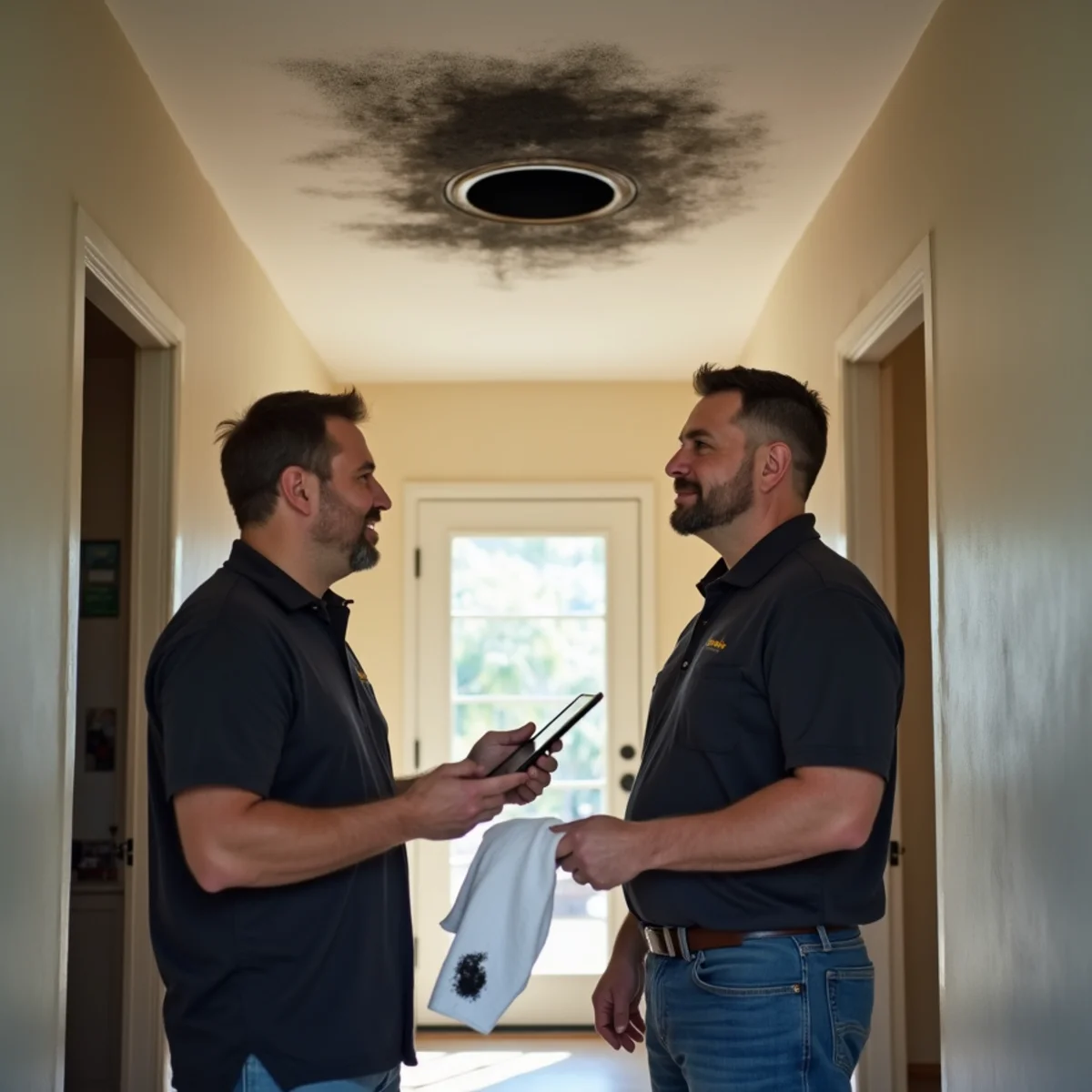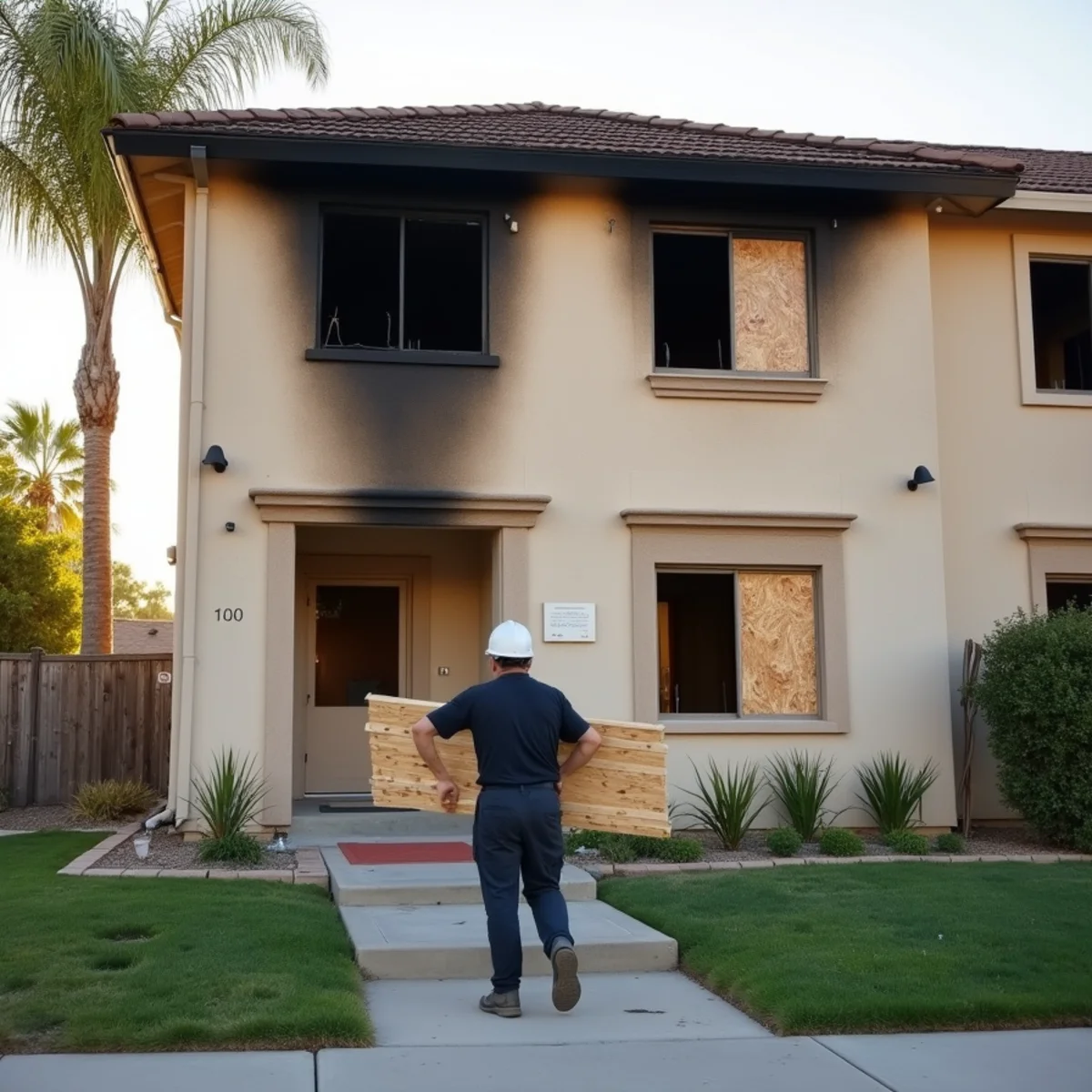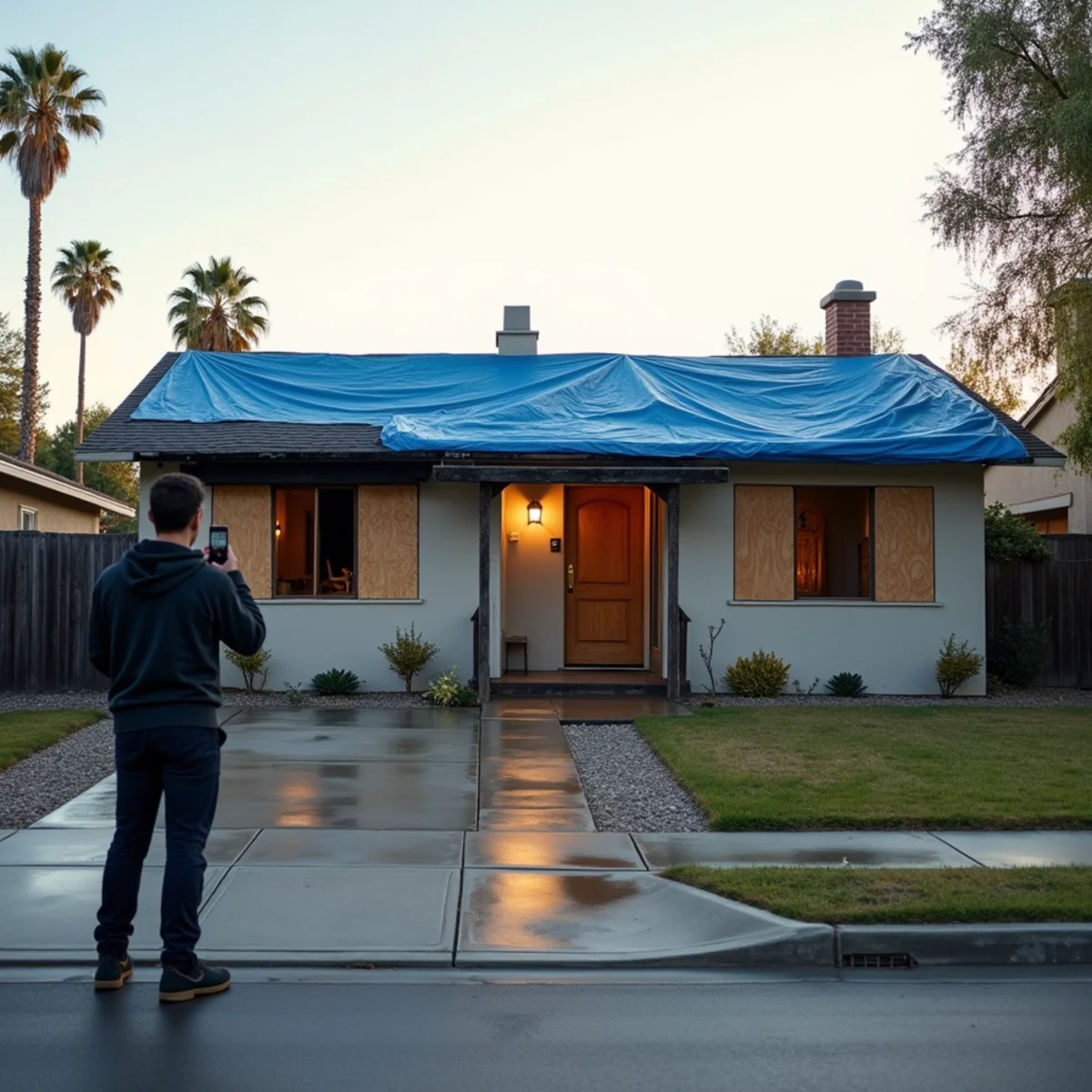
After a fire, the house is only half the loss. Clothes, furniture, dishes, paperwork, electronics and keepsakes sit in smoke, soot and sometimes firefighting water, and much of it can be saved if it is handled soon and handled correctly.
Buena Park Fire & Water Damage Pros connects Buena Park homeowners, renters and landlords with independent, insured crews that pack out, inventory, clean and store belongings, then bring them back when the home is ready. Call (831) 303-1192 any time and get a scope and price in writing before anything is moved.
Reviewed by the Buena Park Fire & Water Damage Pros team · Updated · Process references: ANSI/IICRC S700 practices, South Coast AQMD Rule 1403, CSLB contractor rules
The short answer
Contents pack-out means a crew photographs, inventories and boxes your belongings room by room, moves them to a secure facility, and cleans what can be saved with ultrasonic cleaning, specialty laundering and deodorization. Items that cannot be restored are listed for your insurance claim. Everything comes back after the home is repaired.
What pack-out means and when it is needed
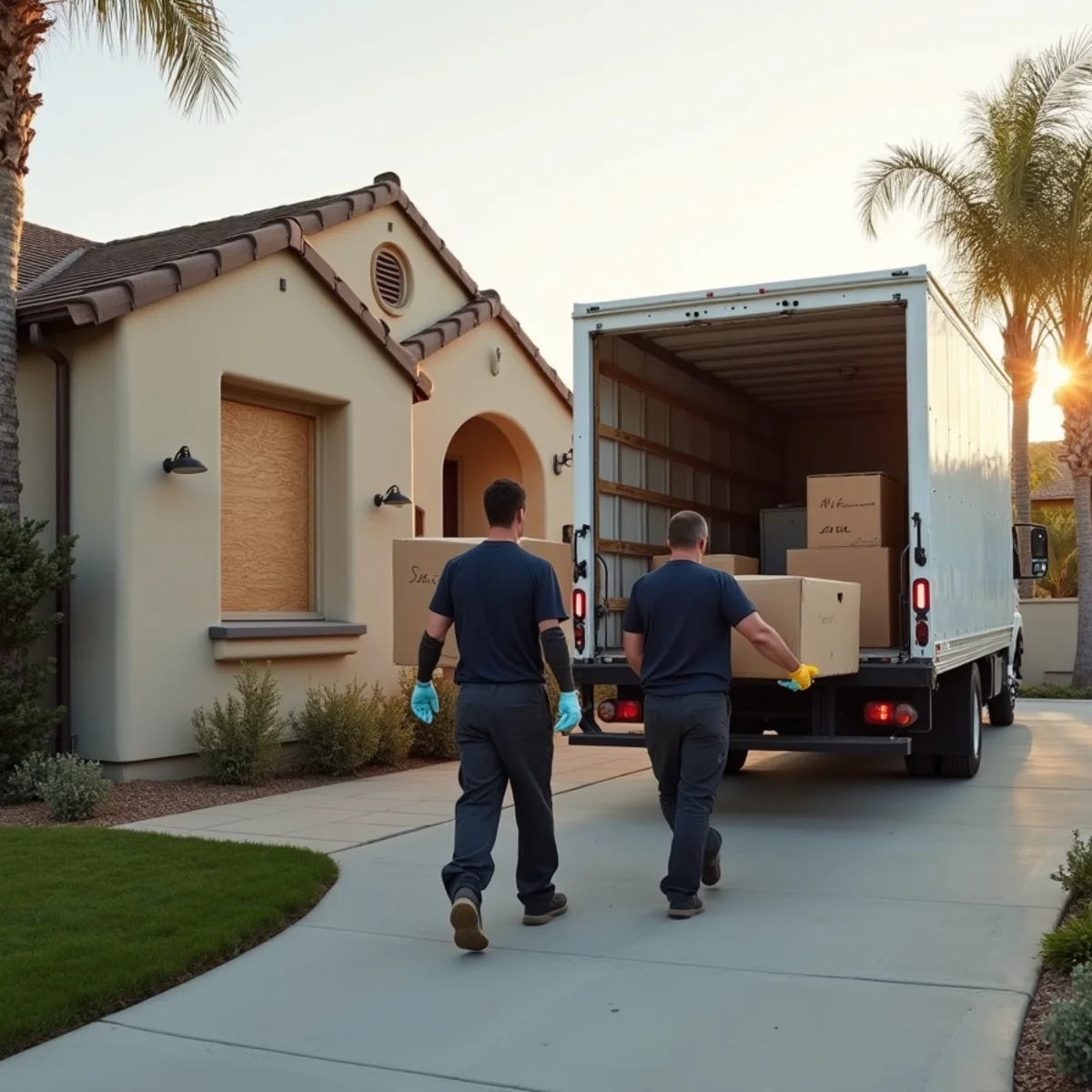
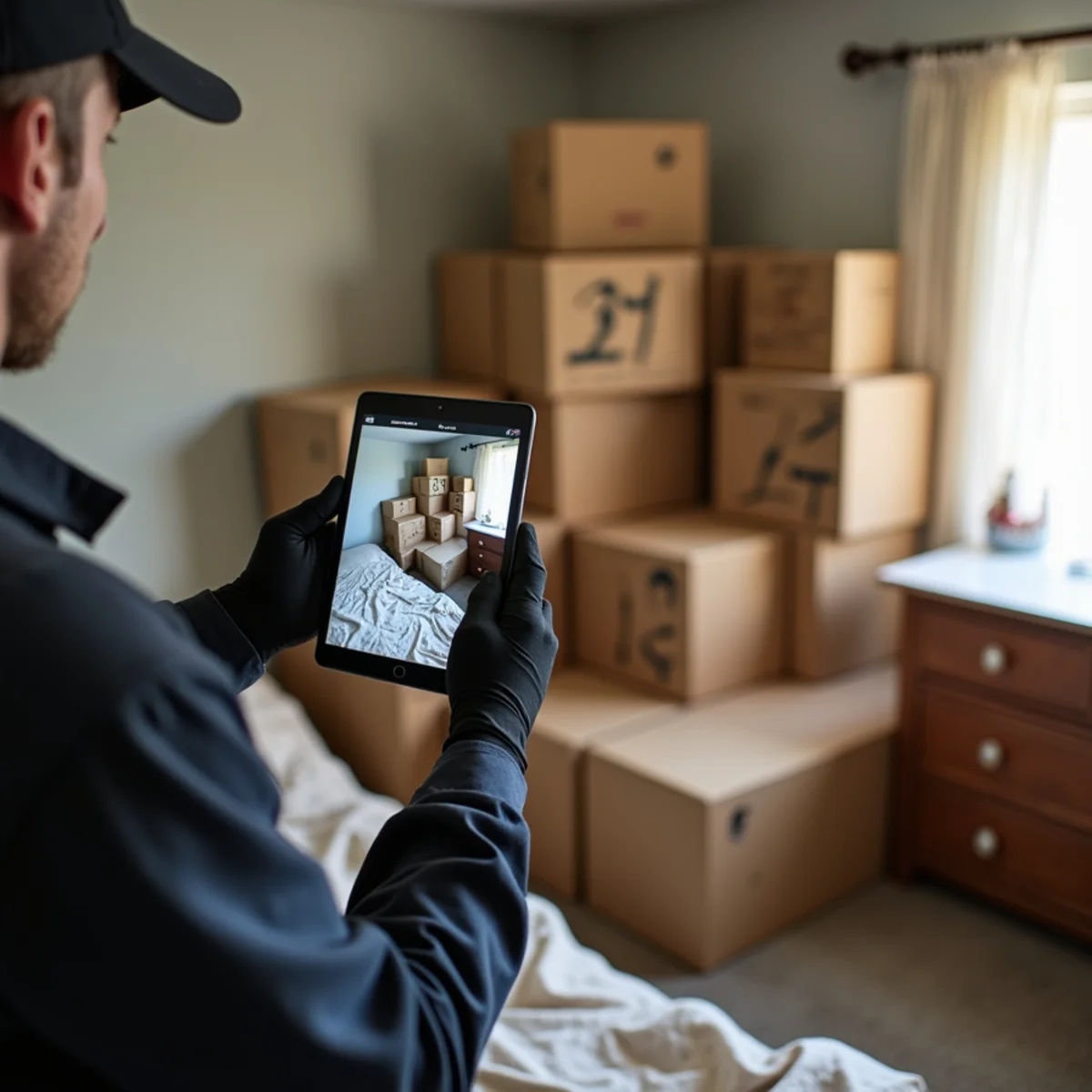
Pack-out is moving belongings out of a fire-damaged home so they can be cleaned off site, and so the empty rooms can get smoke damage cleanup, drying and repairs. Crews box, label and photograph everything, wrap furniture, and truck it to a cleaning and storage facility.
A full pack-out usually makes sense when:
- Rooms need demolition, drying or heavy soot cleaning that cannot happen around furniture
- Smoke reached closets, cabinets and drawers throughout the house
- The house is boarded up and belongings are exposed to theft or weather
- Repairs will take weeks or months while the family lives elsewhere
Smaller fires may only need the affected rooms packed out, or contents moved and covered in place. Renters are a big share of this work. After an apartment fire like the April 2023 Buena Park complex fire that displaced residents, the building is the landlord's to repair, but the belongings are the tenant's to recover. See apartment fires for renters and landlords.
What contents cleaning and pack-out includes
A contents scope follows your belongings from the shelf to storage and back. It usually covers:
- Priority items first: medications, wallets, documents, laptops, school and work items and anything you need this week, handed to you before packing starts.
- A photo inventory of every room and item, with box numbers or tags, built to the format adjusters ask for.
- Packing materials and labor: boxes, wrap and furniture pads, with fragile and high-value items packed separately.
- Transport to a secure facility, and storage while the house is cleaned and repaired.
- Cleaning by material: dry cleaning sponges and HEPA vacuuming, wet cleaning for hard goods, ultrasonic tanks, and laundering or dry cleaning for fabrics.
- Electronics referred to a technician for opening, cleaning and testing rather than being switched on.
- Deodorization of cleaned items, and a re-check for smell before anything is marked done.
- A non-salvageable list with photos for your adjuster, held until your insurer agrees in writing on disposal.
- Pack-back room by room, with items placed where they belong and checked off against the inventory.
Our pack-out and contents cleaning process, step by step
The goal is that every item can be found on the list at any point, from the day it leaves to the day it comes home:
- Walk the house with you. Decide together what goes, what stays, what you keep with you, and anything that needs special handling.
- Photograph and tag. Each room is shot before anything moves, and loose furniture gets a tag tied to the inventory.
- Pack by room. Boxes are numbered and listed as they are filled, with electronics and fragile items kept apart.
- Move to the facility. Belongings travel on the inventory, so the count that leaves the house is the count that arrives.
- Sort and clean. Items are triaged into cleanable, not salvageable and pending, then cleaned by the method each material needs.
- Deodorize, re-inspect and store. Clean items are checked for smell, rewrapped and stored in labeled containers.
- Bring it back. After repairs and final cleaning, items return room by room and you sign off against the list, noting anything missing or still smoky.
Inventory: the room-by-room list your adjuster will ask for
A contents claim runs on a list. Insurers commonly ask for each item's description, quantity, age, condition and replacement cost. Rebuilding that from memory is hard, so a pack-out crew should build most of it as they work:
- Photos of every room before anything moves, then of items as they are packed
- Numbered boxes tied to a room, with a list of what each holds
- Brand, model and serial numbers for electronics and appliances where readable
- A separate photo list of items that cannot be restored
What each line of the inventory should hold
- Where it was. The room, plus the box number or a tag on loose furniture, so one item can be traced through the claim, storage and pack-back
- What it is. Description and quantity, with brand, model and serial number wherever they can be read
- Age and source. Roughly how old it is and where it came from, if you know
- Condition before the fire. An old scratch, stain or cracked screen goes on its own line, apart from heat, smoke, soot or water damage
- Status. Cleanable, not salvageable, or waiting on a decision, updated as cleaning results come in
Noting old wear honestly protects the whole list. An adjuster who finds a years-old crack labeled as fire damage starts questioning everything else on it.
What can usually be saved: hard furniture, clothing, documents, photos, electronics
More survives than most people expect. Items away from the flames usually have smoke and soot damage, not heat damage, and residue can be cleaned off.
- Hard furniture. Solid wood, metal and glass clean well. Finishes may need touch-up if acidic soot sat on them for days.
- Clothing and linens. Most washables come clean with specialty laundering; wool, silk and suits go to dry cleaners who handle smoke damage.
- Documents and photos. Smoky papers can often be cleaned, and papers soaked by firefighting water can be freeze-dried by document recovery specialists. Keep wet photos apart so they do not stick together.
- Electronics. Soot is acidic and can conduct electricity, so do not power on smoke-exposed TVs or computers. A technician can open and clean them; whether it pays depends on the item and the data on it.
What usually cannot: melted plastics, food, medicine, heavily charred items
| Item | Usually | Why |
|---|---|---|
| Solid wood and metal furniture | Cleaned | Hard surfaces release soot and odor |
| Dishes, glassware, hard toys | Cleaned | Ultrasonic cleaning reaches crevices |
| Upholstered furniture | Depends | Light smoke cleans; deep odor or soaking may not |
| Mattresses and pillows | Often replaced | Odor reaches the core |
| Melted or warped plastics | Replaced | Heat damage cannot be reversed |
| Food, including cans near the heat | Discarded | Heat, smoke and fumes can make it unsafe |
| Medicine and cosmetics | Discarded | Heat and fumes can alter or contaminate them |
| Charred items | Replaced | Weakened and holding strong odor |
Food is what people most want to keep. Food safety guidance says to discard food exposed to heat, smoke or fumes, and refrigerated food if the power went out or it picked up a smoke smell. Ask your pharmacy and doctor about replacing prescriptions.
Before anything goes in the dumpster
Items marked not salvageable stay photographed and listed, and should not be hauled away until your insurer confirms in writing that it has what it needs. An email approving the disposal list is easy to point to later; a phone call is not. Hold three kinds of items back longer:
- Keepsakes such as photo albums, letters, heirlooms and children's artwork, which a specialist may still improve
- High-value pieces like jewelry, art, instruments and collectibles, which the adjuster may want to see
- Anything you and the crew disagree about; ask for a test cleaning on one part before anyone decides
Cleaning methods: ultrasonic cleaning, textile laundering, deodorization
Ultrasonic cleaning
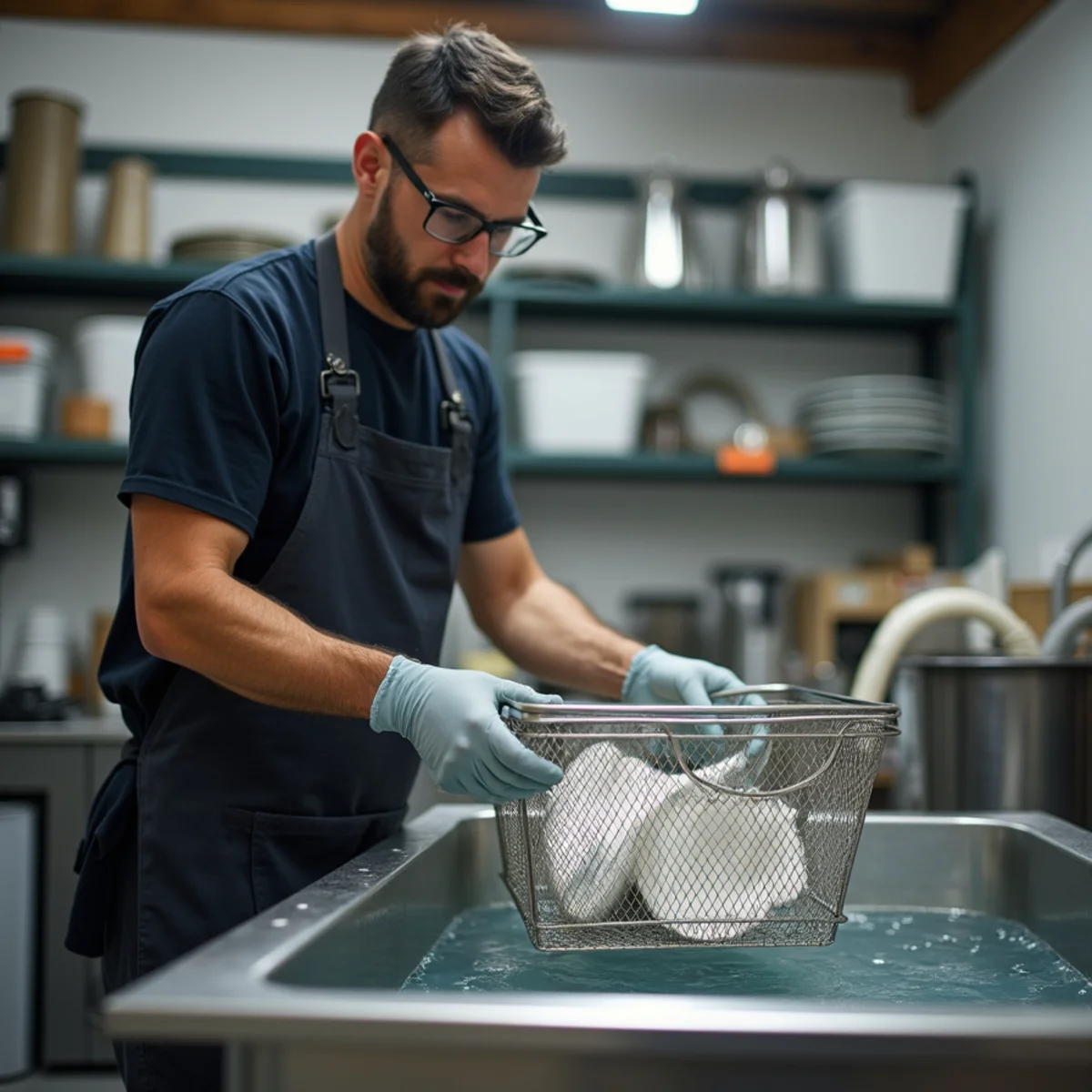
Hard, non-porous items go into a tank of cleaning solution, where sound waves create tiny bubbles that collapse against the surface and lift soot out of grooves a cloth cannot reach. It suits dishes, blinds, light fixtures, hardware and hard toys, never paper or fabric.
Textile laundering
Smoke-damaged fabrics are washed with detergents and odor counteractants made for fire residue, sometimes more than once. Washing them at home first can spread soot through your machine and set the stain and smell.
Deodorization
Clean items can still smell. Facilities often deodorize in a sealed room with ozone or hydroxyl equipment, where ozone is safe to use because nobody is inside. Belongings returned to a smoky house pick the smell back up, so this works alongside smoke odor removal in the home.
Storage while the home is repaired, and pack-back
Cleaned belongings wait in storage while the house is cleaned, dried and rebuilt. Ask before signing:
- Is storage indoors, secured and climate-controlled?
- Are items kept in labeled vaults or containers tied to the inventory?
- Can you retrieve work clothes or school items during repairs?
- How is storage billed, and is it in the written scope?
- Who insures your property while it is in their care?
- Where is the facility, and can you visit it?
- Who has access to your belongings while they are stored?
- How long is storage included, and what happens to the bill if repairs run long?
Pack-back follows fire damage reconstruction and final cleaning. The crew delivers room by room, unpacks to your instructions and checks each box against the inventory. Open the boxes that matter to you and note anything missing or damaged before you sign off.
What affects the cost of contents cleaning and pack-out
Contents work is priced from the inventory, not the square footage of the house. The main drivers:
- How much is packed out: a single room, the rooms near the fire, or the whole house.
- What the items are. Clothing and dishes clean quickly; electronics, artwork, documents and upholstered furniture take specialist time.
- What they are covered in. Light smoke film cleans faster than heavy soot, and anything soaked by firefighting water may need drying first.
- Storage time, which follows the repair schedule and can be the largest line on a long rebuild.
- Access: a second-floor apartment, narrow halls or a packed garage add labor and time.
- Deodorization of soft goods and furniture that still smell after cleaning.
Contents usually fall under a different part of your policy than the building, so ask for this work as its own priced line. Published ranges are in our Orange County fire restoration cost guide.
Contents coverage in a California homeowners or renters policy
Most California homeowners policies (HO-3) cover personal property under a contents section, often called Coverage C, and fire and smoke are standard covered causes. Renters policies (HO-4) cover a tenant's belongings; the landlord's policy covers the building, not what is inside your unit. Many policies also pay additional living expenses while you cannot live at home. Terms vary, so read your own policy and check:
- Actual cash value or replacement cost. The first subtracts depreciation; the second pays for new items, often after you buy them
- Your contents limit. It can run short on a whole-house loss
- Sublimits. Lower caps often apply to jewelry, cash and collectibles
- Cleaning versus replacing. Insurers commonly pay to clean what cleaning restores and replace what it cannot
Belongings fall under a different part of the policy than the building, so ask for the contents work as its own written scope: pack-out, cleaning, storage and pack-back, priced apart from structure cleaning and the rebuild. That keeps the contents claim easy to review and makes two quotes easy to compare.
The crews we connect you with do not handle or negotiate your claim. They provide photo documentation, an itemized scope and the contents inventory, and can meet your adjuster on site. In California only a licensed public adjuster or an attorney can negotiate a claim for you. Read smoke damage insurance claims in California, or call (831) 303-1192 to schedule a pack-out.
Pack-out crews cover Buena Park and nearby cities, including La Palma, La Mirada and Cerritos.
Why Buena Park calls Fire & Water Damage Pros for contents & pack-out
Every item on a list, every step
Numbered boxes and tagged furniture tie to one inventory from pack-out to pack-back, in the format adjusters ask for.
Nothing thrown out without your OK
Non-salvageable items are photographed and held until your insurer agrees in writing, and keepsakes get a second look.
Renters and owners alike
Nearly half of Buena Park households rent, so contents-only jobs after an apartment fire are everyday work, scoped under the renter's own policy.
Storage questions answered up front
Where, who has access, how long and how it is billed are in writing before anything leaves the house. Call (831) 303-1192 to start.
Every fire restoration crew we send is licensed where California requires it, and insured.
Contents & Pack-Out: common questions from Buena Park
Can smoke-damaged clothes be saved?
Usually, yes. Most washable clothing and bedding comes clean with laundering made for smoke residue, and dry cleaners that handle fire damage can treat wool, silk and suits. Clothing with burn holes or melted fibers cannot be restored. Skip the home washer at first, since soot can set the stain and odor and contaminate the machine.
Do I have to list everything I lost for the insurance company?
Most insurers ask for an itemized contents list to pay a personal property claim, with description, quantity, age and value for each item. The pack-out inventory, room photos and box lists cover much of it, and you add what was missed. Card statements, online order history and old photos help fill gaps. Ask your insurer what format they want.
Where are my belongings kept during repairs?
In a secure storage facility the restoration company uses, usually in labeled containers or vaults tied to the inventory. Ask where it is, whether it is climate-controlled, how to retrieve items during repairs and how storage is billed. Everything comes back in a pack-back once repairs and final cleaning are done.
Does renters insurance cover contents cleaning?
Often, yes. A renters (HO-4) policy covers your personal property against fire and smoke, which usually includes cleaning items that can be restored and replacing those that cannot. Many renters policies also pay additional living expenses while the unit is unlivable. Limits vary, so read your policy and call your insurer before work starts.
How long will my belongings be gone?
Usually until the house is repaired and cleaned, because belongings come back last. Cleaning often finishes well before the rebuild, and storage covers the gap. A partial pack-out after a small fire moves faster than a whole-house job with demolition and permits. Ask for written milestones for pack-out, cleaning, storage and pack-back, and set aside the essentials you want back sooner.
Contents & Pack-Out beyond Buena Park
The same crews cover the cities around Buena Park, 5 to 20 minutes out by I-5, SR-91 and Beach Boulevard. See how contents & pack-out works in the housing stock of each city, or view all fire restoration service areas.